
Understanding Fallopian Tubes and Their Role in Fertility
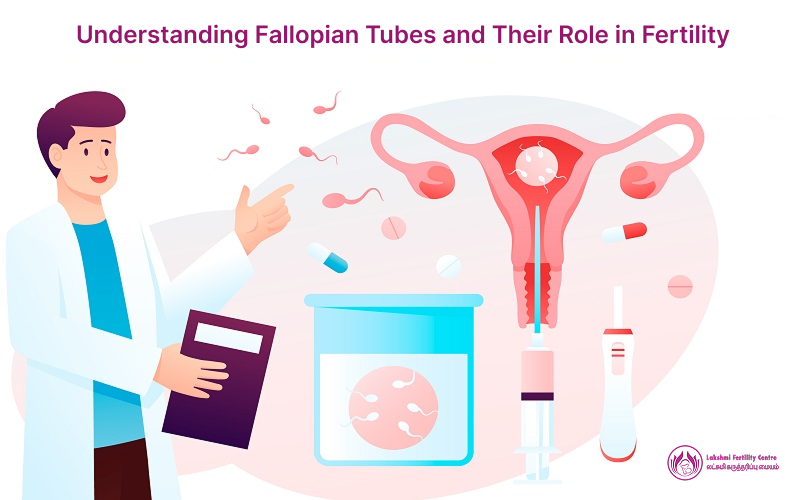
The fallopian tubes are essential components of the female reproductive system, playing a crucial role in conception and fertility. These pair of thin tubes, each approximately 10-12 centimeters long, extend from the upper corners of the uterus to the ovaries. Their primary functions include:
- Transportation of the egg from the ovary
- Providing an optimal environment for fertilization
- Nurturing the fertilized egg during its early development
- Facilitating the transport of the developing embryo to the uterus
The Complex Structure of Fallopian Tubes
The fallopian tubes consist of several distinct segments:
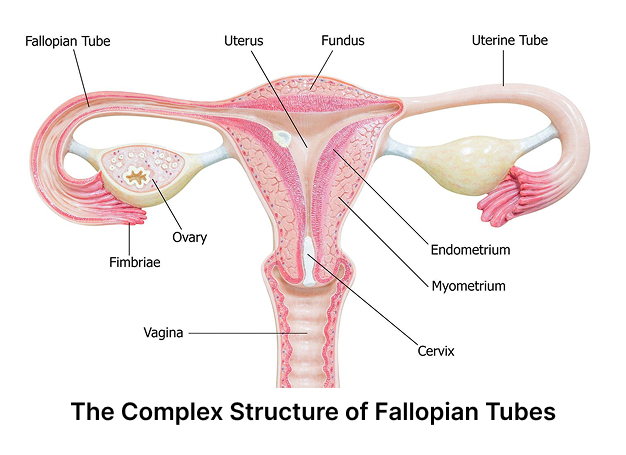
- Infundibulum: The funnel-shaped opening near the ovary
- Ampulla: The widest and longest section where fertilization typically occurs
- Isthmus: The narrow portion connecting to the uterus
- Interstitial: The section that passes through the uterine wall
Each tube is lined with specialized cells featuring microscopic hair-like projections called cilia, which help move the egg and embryo through gentle, wavelike movements.
Causes of Fallopian Tube Damage
Several factors can lead to fallopian tube damage:
Pelvic Inflammatory Disease (PID)
- Bacterial infections, often sexually transmitted
- Can cause scarring and adhesions
- May lead to complete or partial blockage
- Multiple episodes increase risk of permanent damage
Endometriosis
- Growth of uterine tissue outside the uterus
- Can cause scarring and inflammation
- May distort tube anatomy
- Often leads to fertility complications
Previous Pelvic Surgery
- Cesarean sections
- Appendectomy
- Ovarian surgery
- Adhesions from surgical procedures
Ectopic Pregnancy
- Pregnancy occurring within the fallopian tube
- Can cause permanent tube damage
- May require surgical removal of affected tube
- Increases risk for future ectopic pregnancies
Other Contributing Factors
- Congenital tube abnormalities
- Tubal ligation procedures
- Pelvic tuberculosis
- Severe pelvic adhesions
Comprehensive Symptoms and Signs
While blocked fallopian tubes often remain asymptomatic, certain indicators may suggest tubal problems
Physical Symptoms
- Chronic pelvic pain
- Irregular menstrual cycles
- Heavy menstrual bleeding
- Pain during intercourse
- Lower abdominal discomfort
Hydrosalpinx-Specific Symptoms
- Unilateral pelvic pain
- Fluid accumulation in tubes
- Swelling and inflammation
- Periodic sharp pain
- Increased discharge
Associated Condition Symptoms
- Fever and chills (if infection present)
- Unusual vaginal discharge
- Painful urination
- Lower back pain
- Nausea and vomiting
Diagnostic Procedures
Accurate diagnosis requires comprehensive testing:
Hysterosalpingogram (HSG)
- X-ray with contrast dye
- Reveals tube shape and patency
- Identifies blockage location
- Can sometimes clear minor blockages
Laparoscopy
- Minimally invasive surgical procedure
- Direct visualization of tubes
- Allows for immediate treatment
- Provides detailed assessment
Sonohysterography
- Ultrasound with saline solution
- Shows tubal structure
- Less invasive than HSG
- Useful for initial screening
Treatment Options and Management
Treatment approaches vary based on damage severity:
Conservative Management
- Antibiotics for infections
- Anti-inflammatory medications
- Hormone therapy
- Pain management
Surgical Interventions
Laparoscopic Surgery
- Minimally invasive approach
- Adhesion removal
- Tube reconstruction
- Short recovery time
Tubal Cannulation
- Non-surgical procedure
- Catheter-based treatment
- Suitable for proximal blockages
- Higher success rates in selected cases
Salpingostomy
- Opening of blocked tube ends
- Preservation of tube function
- Risk of re-closure
- Requires surgical expertise
Tubal Reanastomosis
- Reconnection of tube segments
- High technical complexity
- Better outcomes in selected cases
- Requires microsurgical techniques
Advanced Reproductive Technologies
When tube damage is severe:
- In Vitro Fertilization (IVF)
- Intracytoplasmic Sperm Injection (ICSI)
- Embryo
- Fertility preservation options
Prevention and Risk Reduction
Preventive measures to protect tubal health:
Infection Prevention
- Regular STI screening
- Safe sex practices
- Prompt treatment of infections
- Regular gynecological check-ups
Lifestyle Modifications
- Maintaining healthy weight
- Regular exercise
- Balanced nutrition
- Stress management
Specialized Care at Lakshmi Fertility Centre
Lakshmi Fertility Centre in Madurai offers comprehensive care:
Diagnostic Services
- Advanced imaging
- Genetic testing
- Hormone analysis
- Comprehensive fertility assessment
Treatment Programs
- Customized treatment plans
- Latest surgical techniques
- Advanced reproductive technologies
- Holistic patient care
Support Services
- Counseling support
- Nutritional guidance
- Lifestyle modification programs
- Patient education
Recovery and Prognosis
Recovery depends on several factors:
Post-Treatment Care
- Regular follow-up
- Infection prevention
- Pain management
- Activity modifications
Success Rates
- Vary by treatment type
- Dependent on damage extent
- Age-related factors
- Overall health status
Research and Future Developments
Ongoing research in tubal fertility:
- New surgical techniques
- Improved diagnostic methods
- Novel drug therapies
- Regenerative medicine approaches
Conclusion
Fallopian tube damage represents a significant challenge in reproductive health, but modern medicine offers various treatment options. Success rates have improved with advanced surgical techniques and reproductive technologies. Lakshmi Fertility Centre continues to provide state-of-the-art care for patients throughout the Madurai region and surrounding areas, offering hope to couples struggling with fertility issues related to tubal damage.
Remember that early detection and treatment of conditions that can lead to tubal damage is crucial for preserving fertility. Regular gynecological check-ups and prompt attention to reproductive health concerns can help prevent serious complications and maintain optimal reproductive function.
Lakshmi Fertility Centre is the Best Fertility Centre in Madurai. Lakshmi Fertility Centre Provides the best Gynaecology Service, the best treatmetnt for Infertility Treatment and Obstetric Care. Lakshmi Fertility Centre Offers comprehensive services for the diagnosis and treatment of infertility. Our Assisted Reproductive Technology (ART) program is classified as a foremost In Vitro Fertilization (IVF) and embryo transfer program in Delhi. Lakshmi Fertility Centre is the best Fertility Centre around Madurai, Trichy, Thanjavur, Dindigul and Pudukkottai.