
Laparoscopy for Infertility: A Minimally Invasive Treatment Option
Introduction
Laparoscopy for Infertility is a game-changing minimally invasive procedure that helps diagnose and treat underlying reproductive issues affecting conception. Infertility impacts millions of couples worldwide and identifying the root cause is essential for successful treatment. Traditional diagnostic methods may not always provide clear answers, but laparoscopy offers a precise, effective and less invasive solution. At Lakshmi Fertility Centre, we specialize in advanced laparoscopic techniques to help women overcome fertility challenges. Our state-of-the-art procedures ensure minimal discomfort, faster recovery and higher success rates, making laparoscopy one of the most reliable infertility treatments available today.
What is Laparoscopy?
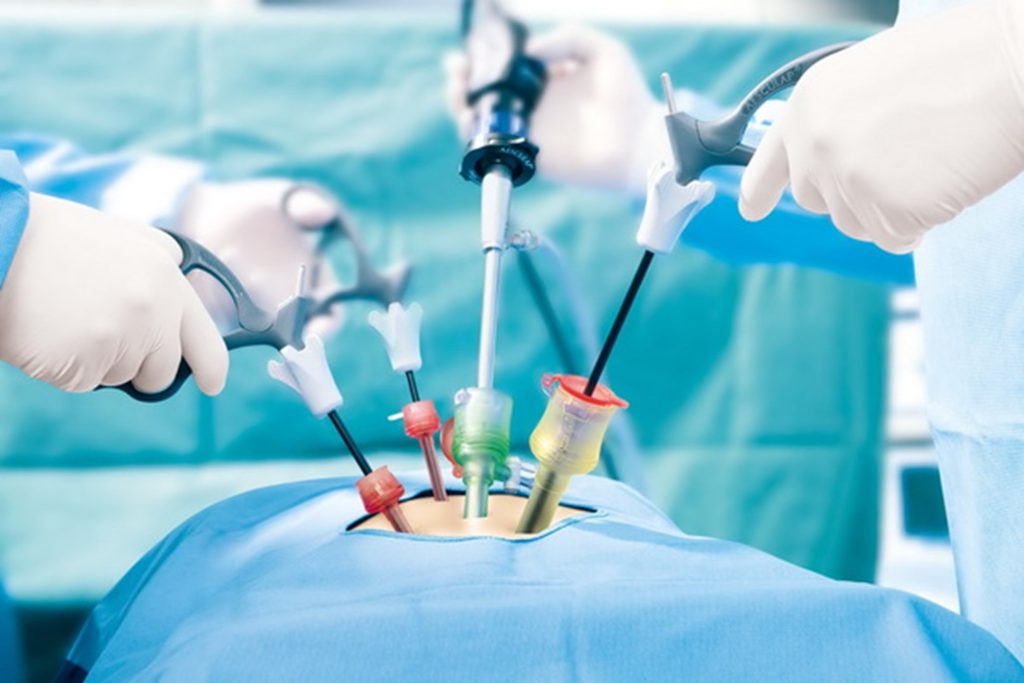
Laparoscopy is a minimally invasive surgical technique that allows doctors to examine the reproductive organs, including the uterus, fallopian tubes and ovaries. A small incision is made near the navel and a thin, lighted camera (laparoscope) is inserted to view the internal organs. This procedure helps in diagnosing and treating various infertility-related conditions
Why is Laparoscopy Used for Infertility?
Laparoscopy is a highly effective procedure for diagnosing and treating infertility when other imaging tests fail. It provides a clear view of pelvic organs allowing specialists to identify and correct reproductive abnormalities in a single procedure. By using minimally invasive techniques laparoscopy enhances natural conception chances and improves IVF and IUI success rates.
Common Conditions Diagnosed and Treated with Laparoscopy
Laparoscopy is highly effective in identifying and treating several conditions that contribute to infertility including:
- Endometriosis – A condition where tissue similar to the uterine lining grows outside the uterus often causing chronic pain menstrual irregularities and infertility. Laparoscopy helps diagnose and remove endometrial implants and scar tissue improving the chances of conception.
- Pelvic Adhesions – Scar tissue that forms between pelvic organs due to previous infections surgeries or conditions like endometriosis. These adhesions can lead to blocked fallopian tubes and impaired egg movement. Laparoscopy allows doctors to cut and remove adhesions restoring normal function.
- Fibroids – Non-cancerous growths in the uterus that may interfere with implantation or pregnancy. Laparoscopic myomectomy can remove fibroids with minimal trauma to the uterus preserving fertility.
- Blocked Fallopian Tubes – Tubal blockages prevent sperm from reaching the egg or stop a fertilized egg from traveling to the uterus. Laparoscopy can assess the severity of the blockage and in some cases remove the obstruction improving natural conception chances.
- Ovarian Cysts – Fluid-filled sacs in the ovaries that can disrupt ovulation and hormonal balance. Laparoscopic cystectomy can remove large or persistent cysts while preserving ovarian function.
- Unexplained Infertility – When no obvious cause of infertility is detected through other tests laparoscopy can uncover hidden conditions such as mild endometriosis small adhesions or subtle tubal damage that may be affecting fertility.
By treating these conditions laparoscopy improves the chances of conception whether naturally or through assisted reproductive treatments. At Lakshmi Fertility Centre we utilize cutting-edge laparoscopic techniques to ensure the highest level of care and success for our patients.
Benefits of Laparoscopy for Infertility
Laparoscopy offers several advantages over traditional open surgery making it a preferred choice for both diagnosis and treatment of infertility-related conditions:
- Minimally Invasive – The procedure requires only small incisions leading to less pain reduced complications and a faster recovery compared to traditional open surgery.
- Accurate Diagnosis – Laparoscopy provides a high-resolution magnified view of the reproductive organs allowing doctors to detect hidden abnormalities that may not be visible on ultrasounds or X-rays.
- Improved Fertility Outcomes – By removing obstructions like fibroids adhesions and ovarian cysts laparoscopy enhances the chances of natural conception or increases the success of IVF and other assisted reproductive techniques.
- Shorter Hospital Stay – Most patients can return home on the same day or within 24 hours after surgery reducing hospital expenses and the inconvenience of a prolonged stay
- Reduced Risk of Infection – Since the procedure uses small incisions rather than large open wounds the risk of post-surgical infections is significantly lower.
- Less Scarring – The tiny incisions used in laparoscopy heal quickly and leave minimal scarring compared to traditional surgery which often results in larger more noticeable scars.
- Quick Return to Daily Activities – Most patients experience minimal downtime and can resume normal activities within a few days depending on the complexity of the procedure.
At Lakshmi Fertility Centre we specialize in providing advanced laparoscopic treatments tailored to each patient’s specific needs ensuring the best possible fertility outcomes with the least amount of discomfort and recovery time.
Laparoscopy Procedure: Step-by-Step Guide
Pre-Surgical Preparation
- A detailed medical history review and tests like ultrasound, MRI, blood tests or hormone evaluations help plan the procedure.
- Patients must fast for 6-8 hours before surgery.
- Certain medications may be adjusted or temporarily stopped based on medical advice.
Anesthesia & Incision
- General anesthesia is administered to ensure a pain-free procedure.
- A small incision (0.5-1 cm) is made near the navel or lower abdomen.
- Carbon dioxide (CO₂) gas inflates the abdomen for a clear view of reproductive organs.
Examination & Treatment
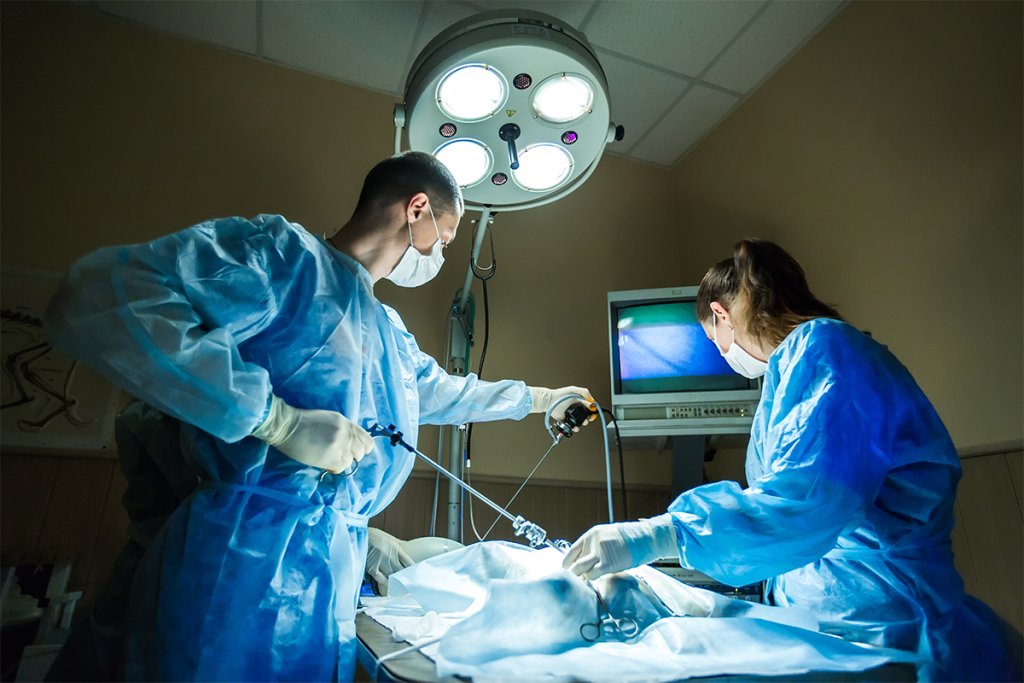
- A laparoscope (thin tube with a high-definition camera) is inserted to inspect the uterus, fallopian tubes and ovaries.
- The surgeon identifies conditions such as endometriosis, adhesions, fibroids, ovarian cysts or blocked fallopian tubes.
- If treatment is needed, additional small incisions allow the insertion of specialized instruments for:
- Endometriosis removal – Excising or cauterizing abnormal tissue growth.
- Tubal surgery – Removing blockages or repairing damaged tubes.
- Ovarian cystectomy – Removing large or persistent ovarian cysts.
- Myomectomy – Extracting fibroids that hinder embryo implantation.
Closure & Recovery
- Once the procedure is completed, instruments are removed and incisions are sealed with sutures or surgical glue.
- The patient is transferred to a recovery area for monitoring as anesthesia wears off.
- Most patients are discharged the same day or within 24 hours.
Post-Surgery Care & Recovery
- Mild discomfort, bloating or shoulder pain (from CO₂ gas) may persist for a few days.
- Pain relievers and antibiotics may be prescribed.
- Patients should avoid strenuous activities or heavy lifting for 1-2 weeks.
- A follow-up consultation is scheduled to monitor healing and discuss further fertility treatment options.
Recovery and Aftercare
What to Expect After Surgery?
- Mild discomfort, bloating and soreness for a few days.
- Most women resume normal activities within 1-2 weeks.
- Avoid heavy lifting and strenuous exercise for a few weeks.
- Follow-up consultation to discuss findings and further fertility treatment options.
- Pain medications may be prescribed to manage discomfort post-surgery.
- Patients should maintain a healthy diet and stay hydrated to aid recovery.
Laparoscopy Success Rates and Global Research Data
- Studies show that laparoscopy improves fertility in 30-50% of women by treating endometriosis and removing adhesions.
- Research published by the American Society for Reproductive Medicine (ASRM) highlights that laparoscopic surgery for endometriosis increases pregnancy rates by 30-45%.
- According to the World Health Organization (WHO), laparoscopic surgery has a low complication rate, making it a safe choice for infertility treatment.
- A study published in the Journal of Obstetrics and Gynecology found that laparoscopy for blocked fallopian tubes led to successful pregnancies in 40-60% of cases.
Risks and Considerations of Laparoscopy
Although laparoscopy is considered safe, it does carry some risks, including:
- Infection – Though rare, there is a slight chance of infection at the incision site.
- Bleeding – Minimal bleeding may occur during or after surgery.
- Organ Injury – In rare cases, nearby organs like the bladder or bowel may be affected.
- Reaction to Anesthesia – Some patients may experience temporary nausea or dizziness.
- Pelvic Pain – Mild discomfort or cramping for a few days post-surgery.
When Should You Consider Laparoscopy?
- If you have been trying to conceive for more than a year without success.
- If previous fertility treatments like ovulation induction and IUI have failed.
- If you experience severe menstrual pain, irregular cycles or pelvic discomfort.
- If imaging tests suggest blocked tubes, fibroids or endometriosis.
- If doctors suspect polycystic ovary syndrome (PCOS) or other structural abnormalities affecting fertility.
Why Choose Lakshmi Fertility Centre for Laparoscopy?
At Lakshmi Fertility Centre, we use cutting-edge laparoscopic technology and expert fertility specialists to provide the best care. Our team ensures:
- High-precision diagnosis and treatment
- Advanced surgical techniques for minimal discomfort
- Personalized fertility plans based on individual needs
- Comprehensive post-surgical support
- Affordable treatment options for all patients
- State-of-the-art facilities with a focus on patient safety and comfort
Frequently Asked Questions (FAQs)
1. Is laparoscopy painful?
No, it is done under anesthesia. Mild discomfort post-surgery can be managed with medications.
2. How long does recovery take?
Most patients recover in 1-2 weeks.
3. Can laparoscopy improve fertility?
Yes, it treats endometriosis, adhesions and tubal blockages, improving natural conception.
4. When can I start trying to conceive after laparoscopy??
1-3 months after surgery for proper healing.
5. What is the success rate of laparoscopy in treating infertility?
40-70% of women conceive within a year, depending on the condition treated.
Conclusion
Laparoscopy is a powerful tool in diagnosing and treating infertility, offering a minimally invasive solution with faster recovery times. It not only helps in diagnosing conditions but also improves the chances of conception by treating underlying issues. If you have been struggling with conception, consider consulting Lakshmi Fertility Centre to explore whether laparoscopy is the right option for you.
Book an appointment today and take the next step toward parenthood.