
Top 10 Fertility-Boosting Superfoods for Men and Women
Introduction
Infertility affects millions of couples worldwide and nutrition plays a crucial role in improving fertility. A well-balanced diet rich in essential nutrients can enhance egg quality, sperm motility, and overall reproductive function.
According to the World Health Organization (WHO), infertility affects around 48 million couples globally. Research also confirms that diet can significantly impact fertility outcomes. A study published in the Harvard T.H. Chan School of Public Health found that women who followed a fertility-focused diet had a 66% lower risk of ovulatory infertility.
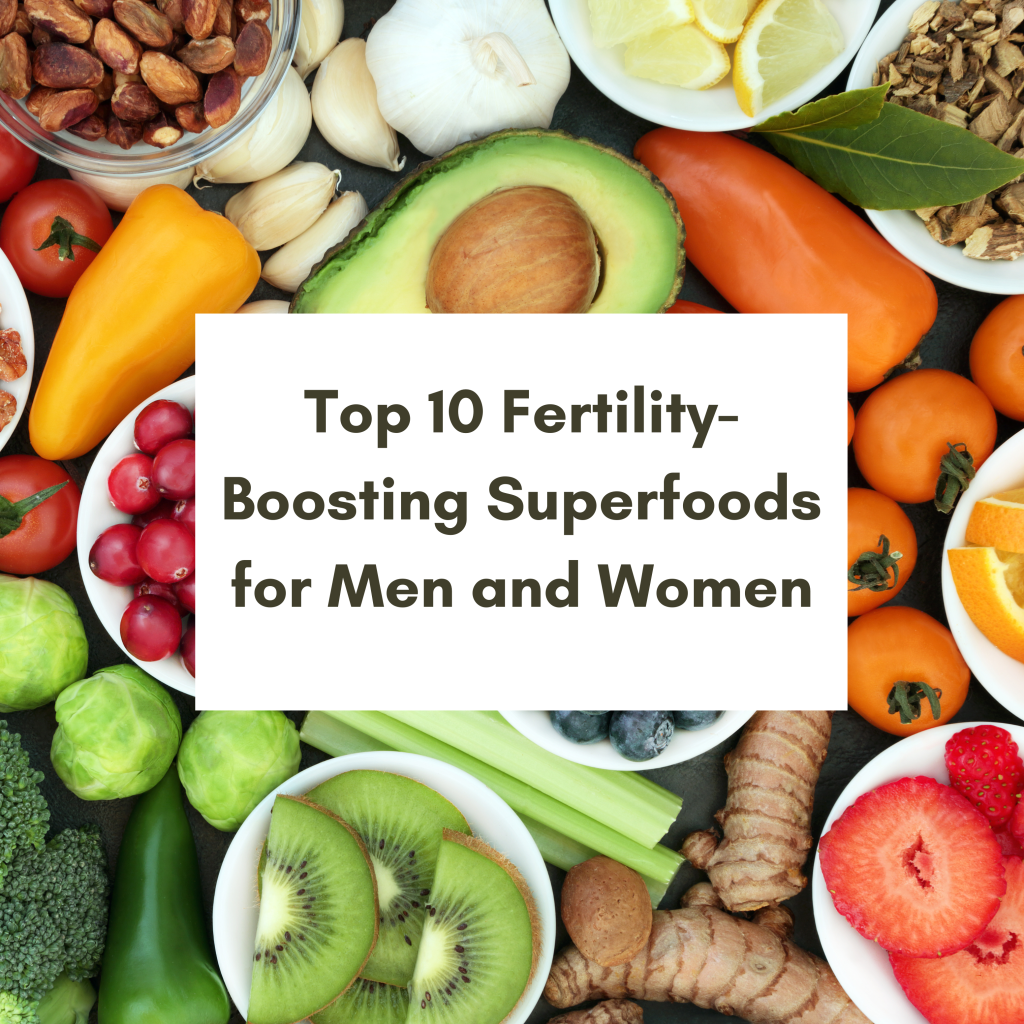
Lakshmi Fertility Centre in Karaikudi specializes in advanced infertility treatments with personalized care. In this article, we explore scientifically proven fertility-boosting superfoods, their benefits, and how they can enhance your chances of conception naturally.
How Diet Influences Fertility
A fertility-friendly diet plays a significant role in regulating hormones improving egg and sperm quality and increasing the likelihood of conception. Consuming nutrient-rich foods supports reproductive health while reducing the risk of conditions that can impair fertility such as polycystic ovary syndrome (PCOS) and oxidative stress.
Nutrients Essential for Fertility:
- Folic Acid: Essential for fetal development reducing the risk of neural tube defects. Women trying to conceive should aim for at least 400 mcg daily.
- Omega-3 Fatty Acids: Help regulate hormones improve cervical mucus and enhance sperm quality and motility.
- Zinc: Plays a vital role in ovulation testosterone production and sperm formation. Low zinc levels are linked to poor fertility outcomes.
- Vitamin D: Critical for ovarian health sperm function and embryo implantation. Studies suggest that 75% of women with infertility have insufficient vitamin D levels.
- Antioxidants: Protect reproductive cells from oxidative damage improving both sperm and egg quality.
Studies indicate that couples who adopt a Mediterranean diet rich in fresh fruits vegetables whole grains healthy fats and lean proteins have a higher success rate in achieving pregnancy compared to those consuming processed foods source.
Top 10 Fertility-Boosting Superfoods
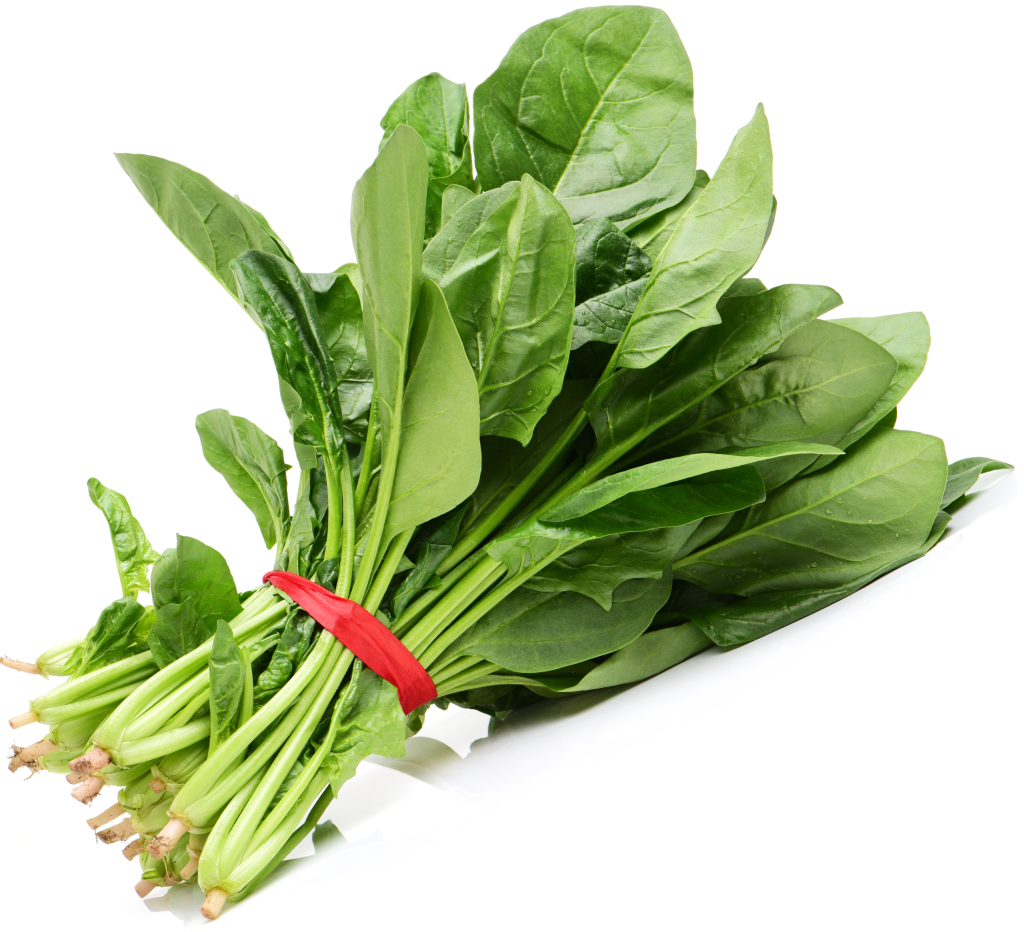
1. Leafy Greens (Spinach, Kale and Swiss Chard)
Leafy greens are rich in folate which is crucial for DNA synthesis and cell division ensuring healthy egg and sperm production. They also contain iron which reduces the risk of ovulatory infertility.
A study published in the American Journal of Clinical Nutrition found that women with higher folate intake had a 20% lower risk of infertility.
Additionally leafy greens provide:
- Magnesium: Helps balance reproductive hormones and reduce stress levels which can impact fertility.
- Coenzyme Q10 (CoQ10): Supports egg and sperm health improving fertility outcomes.
- Vitamin K: Enhances blood circulation to reproductive organs aiding embryo implantation.
To maximize fertility benefits include at least one serving of leafy greens daily in salads smoothies or cooked meals.
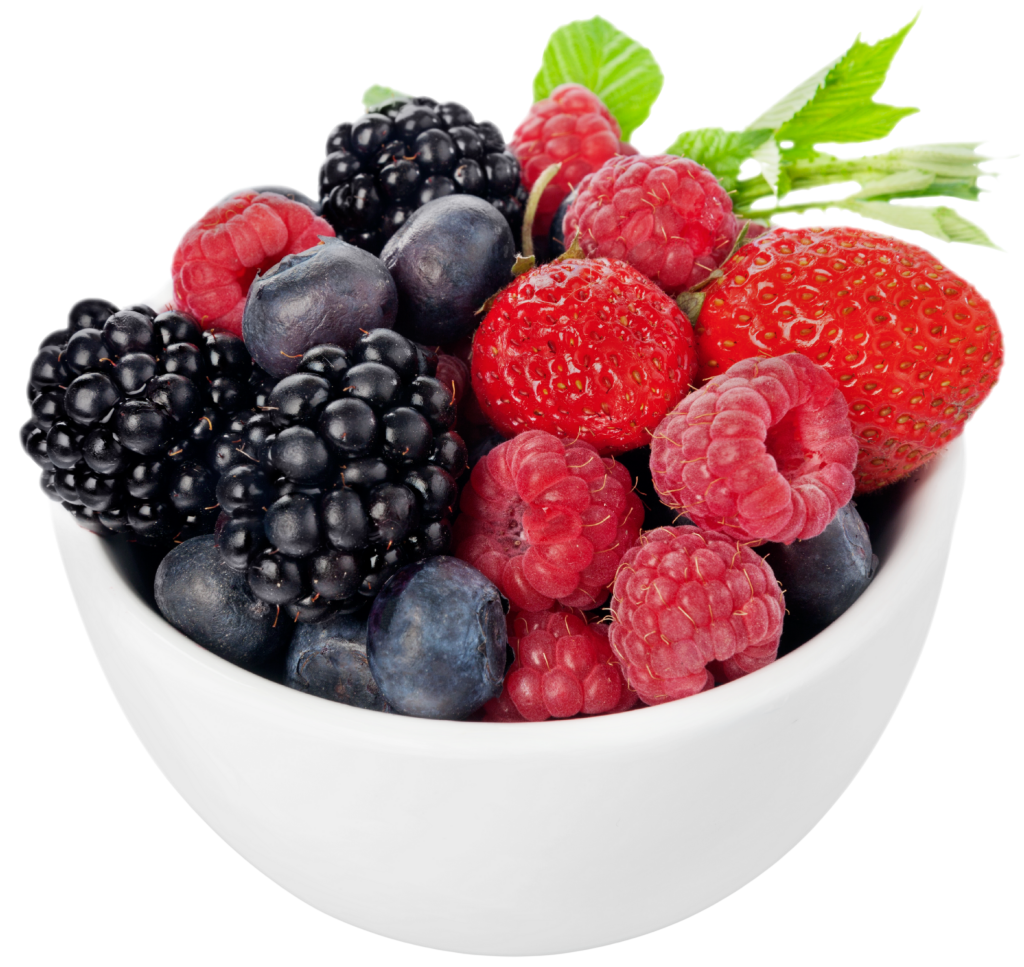
2. Berries (Strawberries, Blueberries and Raspberries)
Berries are packed with antioxidants that protect reproductive cells from damage. Their high vitamin C content supports sperm motility and egg health.
Research from the University of California found that men who consumed more antioxidants had higher sperm motility and concentration.
Key fertility benefits of berries:
- Anthocyanins: Reduce inflammation improving ovulation and egg quality.
- Fiber: Helps regulate insulin levels which play a role in ovulatory function.
- Folate: Supports early fetal development in women trying to conceive.
For optimal fertility benefits consume a handful of berries daily in smoothies yogurt or oatmeal.
3. Avocados
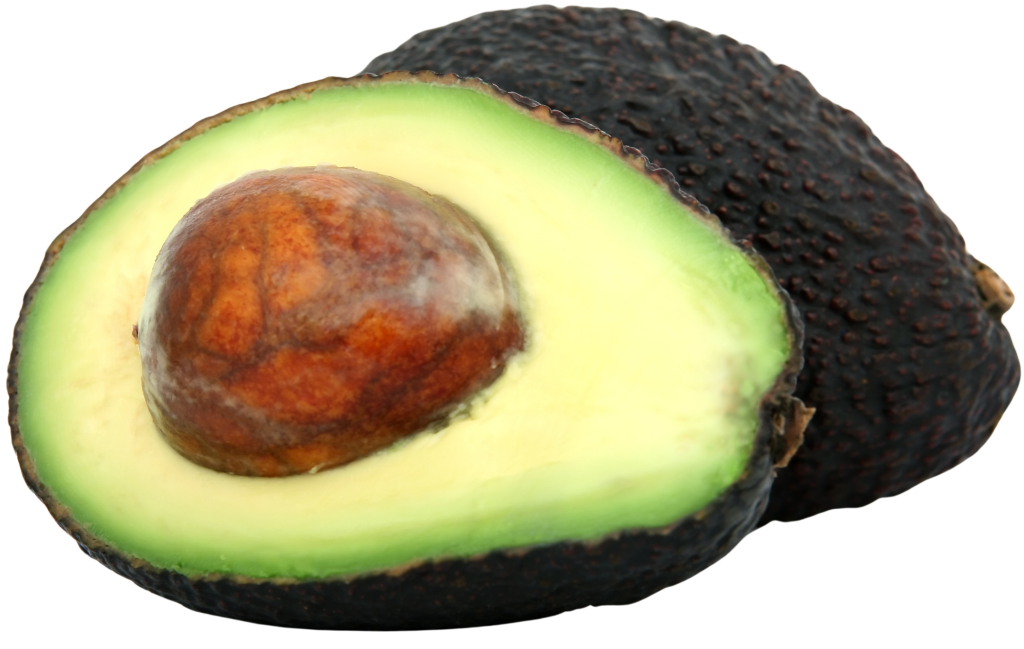
Avocados provide monounsaturated fats which improve hormone production and reproductive function. They are also rich in vitamin E which enhances sperm motility and improves uterine lining.
A study published in the Journal of Assisted Reproduction and Genetics suggests that vitamin E supplementation improves sperm motility by 16% .
Fertility benefits of avocados:
- Vitamin B6: Helps regulate progesterone levels crucial for implantation.
- Potassium: Supports proper blood flow to reproductive organs.
- Healthy Fats: Essential for hormone production and balanced reproductive health.
Include half an avocado per day in salads sandwiches or as a spread.
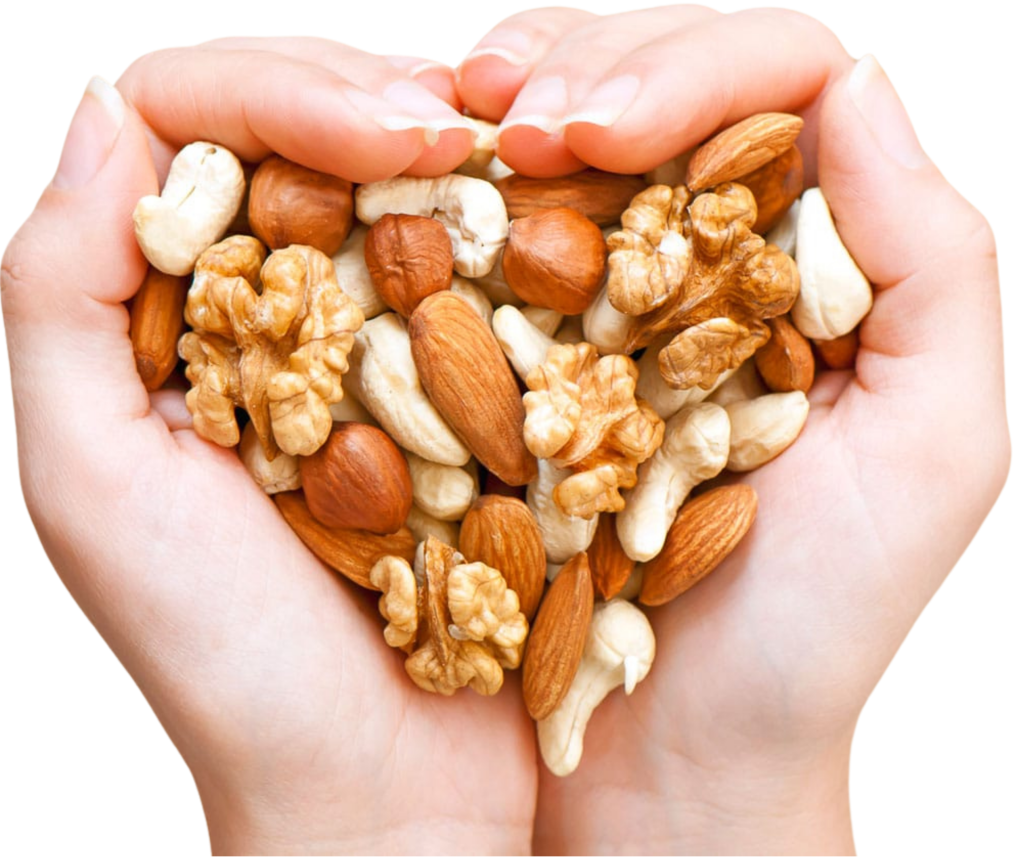
4. Nuts and Seeds (Almonds, Walnuts, Chia Seeds and Flaxseeds)
These superfoods provide omega-3 fatty acids which are essential for sperm morphology and embryo development. They are also high in zinc which plays a role in ovulation and testosterone production.
According to a study in the European Journal of Clinical Nutrition men who consumed walnuts experienced a 14% increase in sperm motility and vitality source.
Best nuts and seeds for fertility:
- Walnuts: Rich in omega-3s improving sperm health.
- Almonds: Provide vitamin E crucial for reproductive function.
- Chia and Flaxseeds: Contain fiber and lignans that support hormone balance.
Consume a small handful of nuts or 1 tablespoon of seeds daily for maximum fertility benefits.
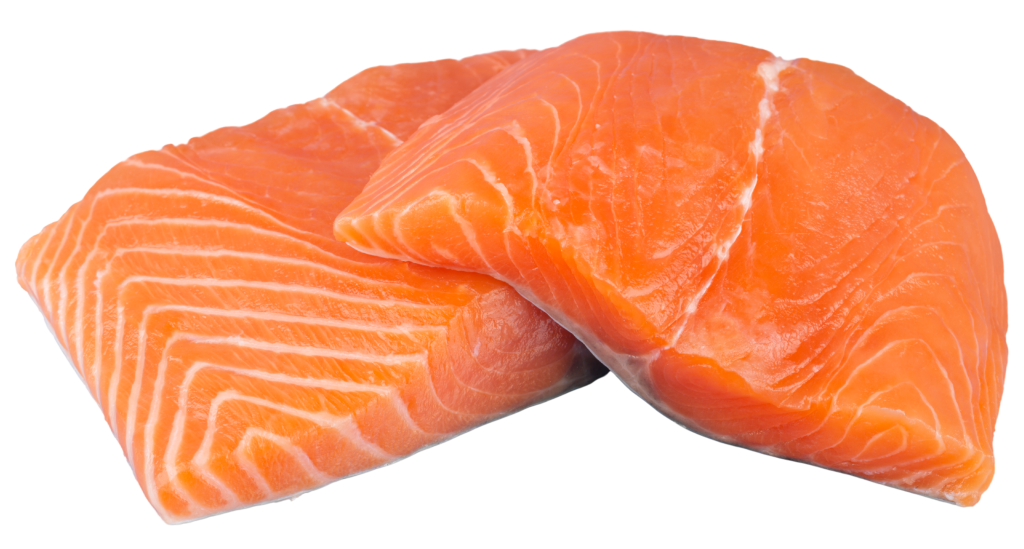
5. Fatty Fish (Salmon, Mackerel and Sardines)
Fatty fish are an excellent source of omega-3 fatty acids which regulate reproductive hormones and improve sperm count. Vitamin D in fish is also associated with a higher success rate of conception.
A study in the Journal of Clinical Endocrinology & Metabolism found that women with adequate vitamin D levels had a 34% higher pregnancy rate.
Key benefits of fatty fish:
- DHA and EPA: Improve sperm quality and embryo development.
- Selenium: Supports sperm motility and reduces DNA fragmentation.
- Vitamin B12: Essential for ovulation and reproductive function.
For optimal fertility aim to eat two servings of fatty fish per week.
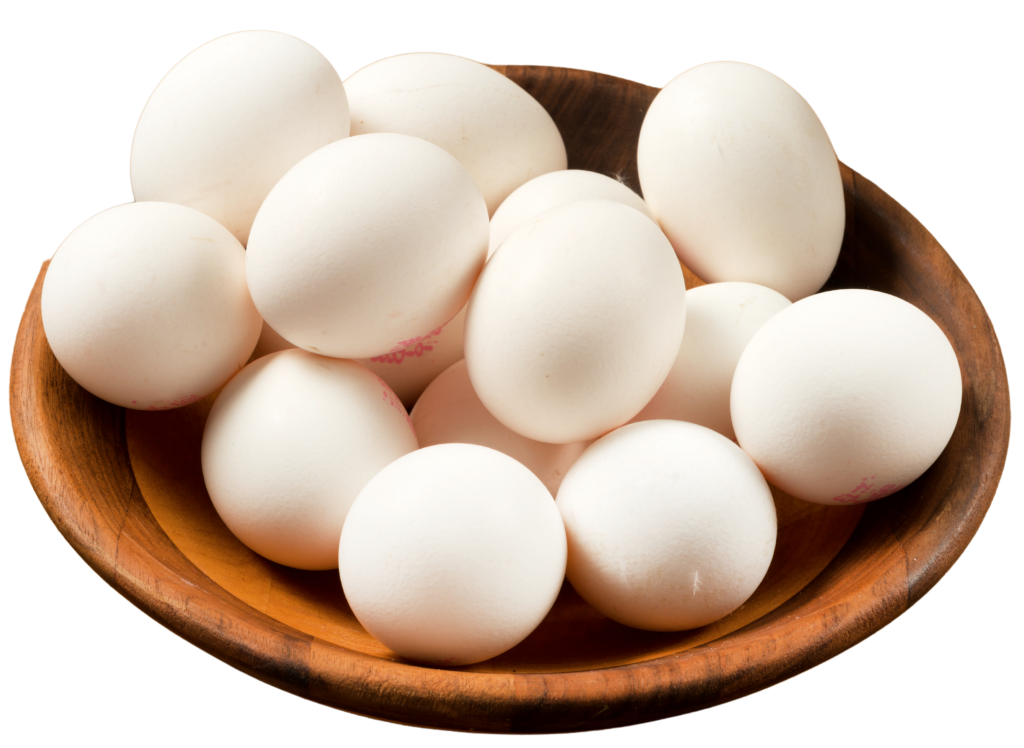
6. Eggs
Eggs are an excellent source of choline which supports fetal brain development. They also provide high-quality protein and vitamin D both of which are essential for reproductive health.
Key benefits of eggs:
- Choline: Reduces the risk of neural tube defects in babies.
- Vitamin D: Improves ovarian function and sperm quality.
- Healthy Fats: Support hormone production and egg maturation.
For optimal fertility benefits include two to three eggs per week in your diet.
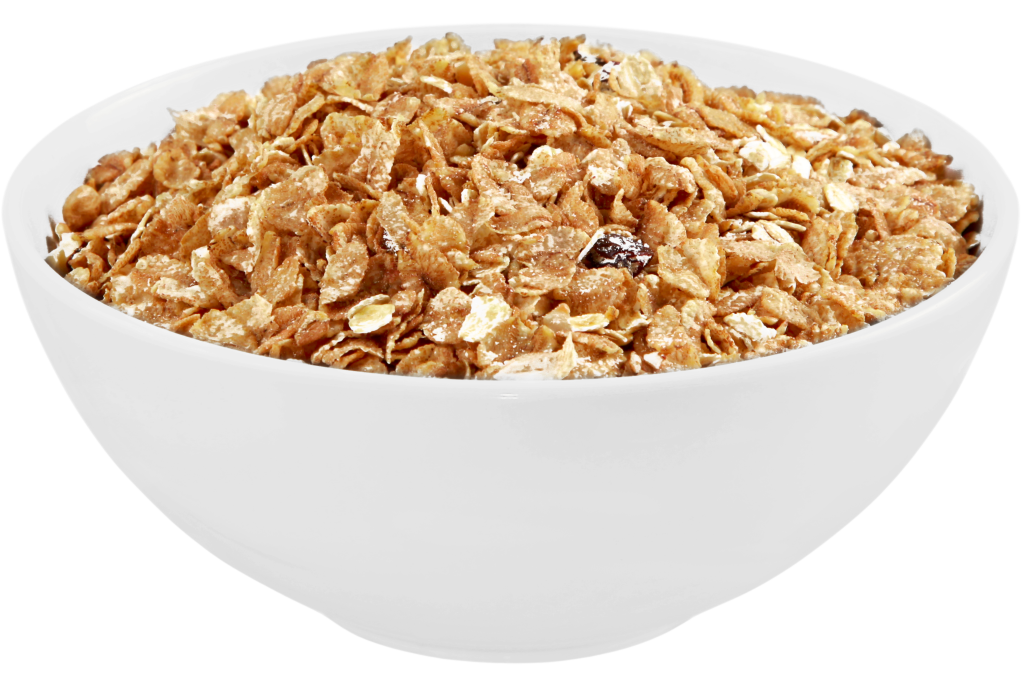
7. Whole Grains (Quinoa, Brown Rice and Oats)
Whole grains provide complex carbohydrates which regulate blood sugar levels and support ovulatory function. They are also rich in B vitamins essential for hormonal balance and egg health.
Nutritional benefits of whole grains:
- Fiber: Improves gut health which is linked to balanced hormones.
- Iron: Supports oxygen delivery to reproductive organs.
- Slow-Digesting Carbohydrates: Prevent insulin spikes that can affect ovulation.
Aim to eat at least one serving of whole grains daily for better fertility outcomes.
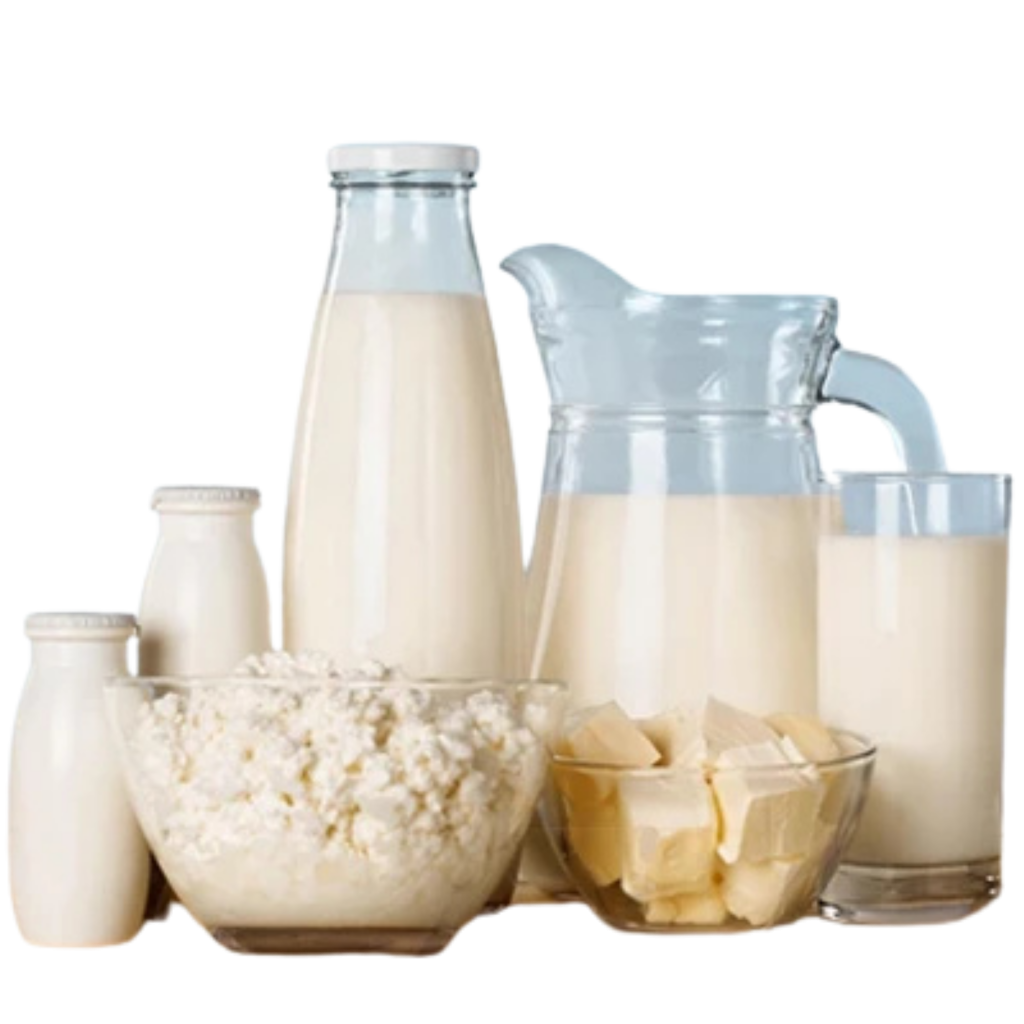
8. Dairy Products (Greek Yogurt, Cheese and Milk)
Full-fat dairy products have been linked to higher fertility rates compared to low-fat alternatives. Dairy is a rich source of calcium and vitamin D both essential for reproductive health.
Fertility benefits of dairy:
- Calcium: Supports egg maturation and embryo implantation.
- Probiotics: Improve gut health which can enhance hormone balance.
- Vitamin B12: Crucial for DNA synthesis in egg and sperm cells.
For best results include one to two servings of full-fat dairy per day.
9. Beans and Lentils
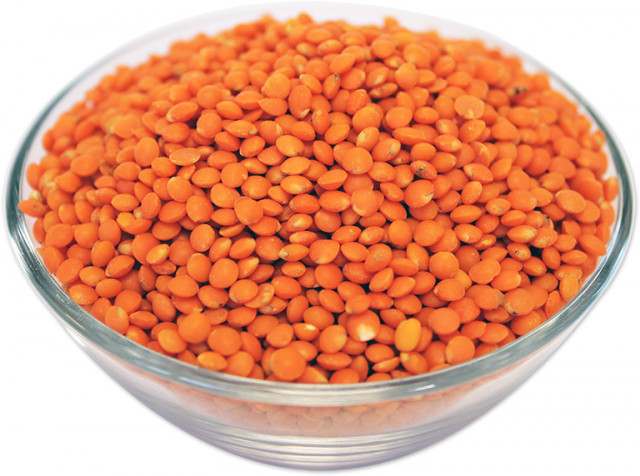
Beans and lentils are excellent sources of plant-based protein and iron both of which play a significant role in ovulation and fetal development.
Key benefits of beans and lentils:
- Protein: Supports healthy egg and sperm development.
- Iron: Reduces the risk of ovulatory infertility.
- Fiber: Helps regulate hormones and prevent insulin resistance.
For fertility support include three to four servings per week.
10. Dark Chocolate (80% Cocoa or Higher)
Dark chocolate is rich in antioxidants and arginine which enhance sperm quality and improve blood flow to reproductive organs.
Key benefits of dark chocolate:
- Flavonoids: Reduce inflammation improving sperm and egg health.
- Arginine: Enhances circulation to the uterus and testes.
- Magnesium: Reduces stress hormones that can interfere with fertility.
Enjoy a small piece of dark chocolate daily for a fertility-friendly treat.

FAQs
1. Can diet alone improve fertility?
While diet plays a crucial role in reproductive health other factors such as stress management lifestyle and medical conditions also impact fertility.
2. How long does it take for dietary changes to impact fertility?
On average it takes three to six months for dietary improvements to reflect in sperm and egg quality.
3. Are supplements necessary if I eat fertility-boosting foods?
A well-balanced diet should provide essential nutrients but in some cases supplementation (like folic acid and omega-3s) may be recommended by a doctor.
4. Should men also follow a fertility diet?
Yes, sperm health is equally influenced by diet. Nutrient-rich foods improve sperm motility count and DNA integrity.
5. Can diet alone improve fertility?
A well-balanced diet plays a crucial role in fertility but other factors such as age medical conditions and lifestyle choices also influence conception chances.
6. How long does it take for a fertility diet to show results?
It varies but most people see improvements in 3-6 months as sperm and egg quality take time to improve
Conclusion
A fertility-friendly diet combined with a healthy lifestyle can significantly improve reproductive health. By incorporating these superfoods into your daily meals you can enhance your chances of conception naturally.
If you are experiencing difficulties in conceiving Lakshmi Fertility Centre in Karaikudi offers world-class infertility treatments personalized fertility plans and expert medical support. Our advanced reproductive techniques have helped countless couples achieve their dream of parenthood.
For more information on fertility treatments book a consultation with Lakshmi Fertility Centre today.