
FERTILITY
Fertility refers to the natural capability of an organism or a population to produce offspring. In the context of humans, fertility specifically refers to the ability of individuals or couples to conceive and have children. This involves the successful union of male and female reproductive cells (sperm and egg, respectively) through sexual intercourse, leading to the development of a fertilized egg, implantation in the uterus, and ultimately, the growth and development of a fetus.
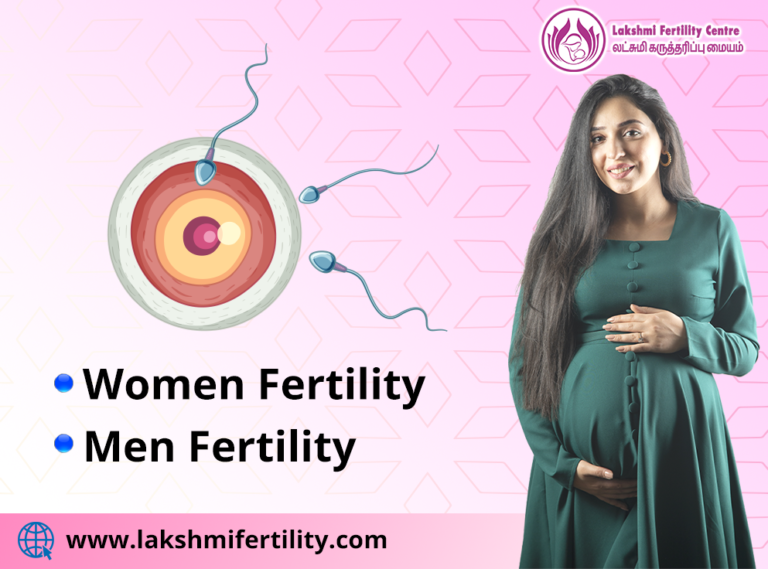
FEMALE FERTILITY
MALE FERTILITY
Fertility in women refers to the ability to conceive and carry a pregnancy to term. It is influenced by various factors, both biological and environmental. Here are key aspects related to women’s fertility:
Male fertility refers to a man’s ability to successfully cause pregnancy in a fertile female partner. Male fertility is primarily determined by the quantity and quality of sperm produced. Here are key factors related to male fertility:
-
AGE:
Peak Fertility: Women are most fertile in their late teens to early 20s.
Decline in Fertility: Fertility starts to decline in the late 20s and more significantly after the age of 35.
Menopause: Menopause typically occurs in the late 40s to early 50s, marking the end of a woman's reproductive years.
-
SPERM COUNT:
A normal sperm count is essential for fertility. A semen analysis measures the number of sperm in a man's ejaculate. A low sperm count, known as oligospermia, can affect fertility.
-
MENSURAL CYCLE:
A regular menstrual cycle is generally associated with better fertility. Irregular cycles may indicate hormonal imbalances or other reproductive health issues.
-
SPERM MOTILITY:
Sperm must have good motility (movement) to reach and fertilize an egg. Poor sperm motility, known as asthenospermia, can be a contributing factor to infertility.
-
OVULATION:
Ovulation is the release of an egg from the ovary and is a critical factor for conception. Tracking ovulation can be helpful for couples trying to conceive.
-
SPERM MORPHOLOGY:
Sperm morphology refers to the shape and structure of sperm. Abnormalities in sperm morphology (teratospermia) can impact their ability to fertilize an egg
-
REPRODUCTIVE HEALTH:
Conditions such as polycystic ovary syndrome (PCOS) or endometriosis can impact fertility. Regular gynecological check-ups are essential for maintaining reproductive health.
-
EJACULATION FUNCTION:
Adequate sexual function, including the ability to achieve and maintain an erection, as well as normal ejaculation, is crucial for male fertility.
-
LIFESTYLE FACTORS:
Nutrition: A healthy diet contributes to overall well-being, including reproductive health. Weight: Both underweight and overweight conditions can affect fertility. Exercise: Moderate physical activity is generally beneficial, but excessive exercise can impact fertility
-
HARMONAL BALANCE:
Hormones, such as testosterone and others, play a role in sperm production. Imbalances in hormonal levels can affect fertility.
-
SMOKING & ALCOHOL:
Smoking and excessive alcohol consumption can negatively affect fertility.
-
GENETIC FACTORS:
Some genetic conditions can affect sperm production and function.
-
STRESS:
Chronic stress may impact reproductive hormones, potentially affecting fertility.
-
LIFESTYLE FACTORS:
Unhealthy lifestyle choices, including smoking, excessive alcohol consumption, drug use, and obesity, can negatively affect sperm quality.
-
CONTRACEPTION:
The use of certain contraceptives may have temporary effects on fertility after discontinuation.
-
MEDICATIONS:
Some medications, including certain antidepressants, antipsychotics, and chemotherapy drugs, can affect sperm production.
-
MEDICAL INTERVENTIONS:
Fertility treatments, such as in vitro fertilization (IVF), can assist couples facing challenges in conceiving.
-
AGE:
While not as pronounced as in women, advanced paternal age can be associated with a decline in sperm quality.
-
GENETIC FACTORS:
Some genetic factors can influence fertility, though their impact varies.
-
INFECTINS:
Infections, particularly sexually transmitted infections (STIs), can affect sperm production and function.
It’s important to note that fertility is a complex and individualized aspect of health. If a couple is experiencing difficulties conceiving, seeking advice from a healthcare professional or fertility specialist is recommended. They can provide guidance, conduct necessary tests, and explore appropriate interventions if needed.
If a man and his partner are having difficulty conceiving, a comprehensive evaluation by a healthcare professional, often a urologist or a reproductive specialist, may be necessary. This evaluation typically includes a semen analysis, hormonal tests, and a thorough medical history. Based on the findings, appropriate treatment options can be explored, which may include lifestyle changes, medications, surgery, or assisted reproductive technologies (ART) such as in vitro fertilization (IVF) or intracytoplasmic sperm injection (ICSI).