
Low Sperm Count (Oligospermia): Causes, Treatments, and Hope for Fertility
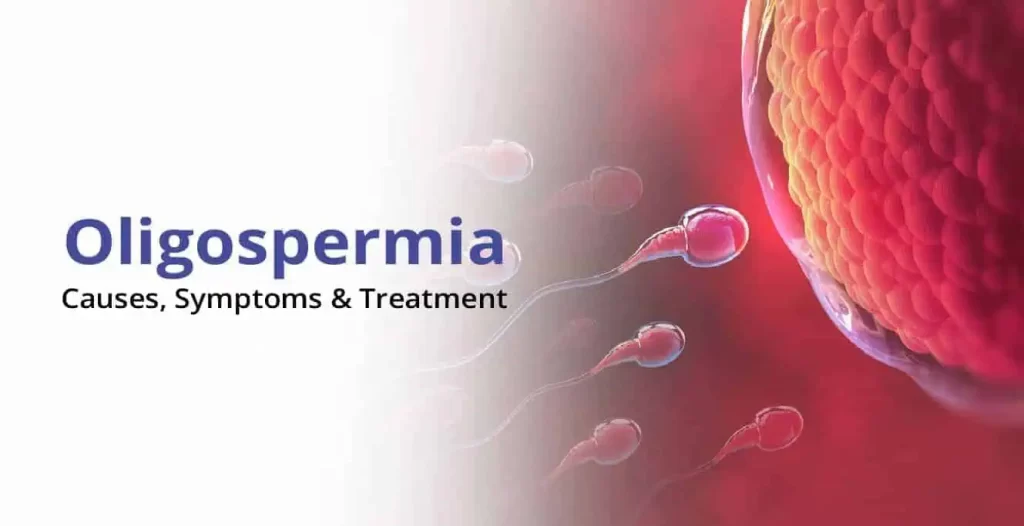
For many couples trying to conceive, the process can sometimes take longer than anticipated. When conception does not occur, it’s natural to investigate potential factors affecting fertility. One of the lesser-discussed yet significant challenges men face is low sperm count, medically referred to as oligospermia.
Low sperm count is a condition where the sperm concentration in a man’s semen is below 15 million sperm per milliliter, according to the World Health Organization (WHO). While it can make conception more challenging, it’s important to note that having a low sperm count doesn’t rule out the possibility of fatherhood.
At Lakshmi Fertility Centre, we are committed to providing compassionate, expert care for infertility. Located in the heart of Karaikudi, our center specializes in modern treatments tailored to address challenges like low sperm count. This blog will explore the causes, symptoms, and treatment options for oligospermia while offering actionable steps to boost male fertility.
What is Low Sperm Count (Oligospermia)?
Oligospermia refers to a low concentration of sperm in a man’s semen, which can affect fertility. The condition is categorized into three levels based on sperm concentration:
-
Mild Oligospermia: 10 to 15 million sperm/ml
-
Moderate Oligospermia: 5 to 10 million sperm/ml
-
Severe Oligospermia: 0 to 5 million sperm/ml
A low sperm count doesn’t necessarily mean that conception is impossible, but it may reduce the chances of natural conception during ovulation.
How Common is Low Sperm Count?
Did you know that 1 in 6 couples experience infertility at some point in their lives? According to research published in Human Reproduction Update, male infertility factors, including low sperm count, account for about 40-50% of all infertility cases. Similarly, a 2017 meta-analysis of sperm count trends showed a 59% decline in sperm concentrations worldwide between 1973 and 2011. Source
These statistics underline the importance of understanding male fertility and seeking medical advice when necessary.
Causes of Low Sperm Count
Several factors can contribute to oligospermia, ranging from lifestyle habits to underlying health conditions.
1. Medical Causes
a) Varicocele
Varicocele, a condition where veins in the scrotum swell, is one of the most common reversible causes of low sperm count. This condition affects sperm quality by disrupting proper blood flow and increasing scrotal temperature.
b) Hormonal Imbalances
Hormonal issues involving the hypothalamus, pituitary gland, or testicles can lead to reduced sperm production.
c) Genetic Disorders
Conditions such as Klinefelter syndrome or Y chromosome microdeletion can impair the testes’ ability to produce sperm.
d) Previous Surgeries
Certain surgeries, like vasectomies, hernia repairs, and scrotal surgery, may interfere with sperm transportation.
2. Lifestyle Causes
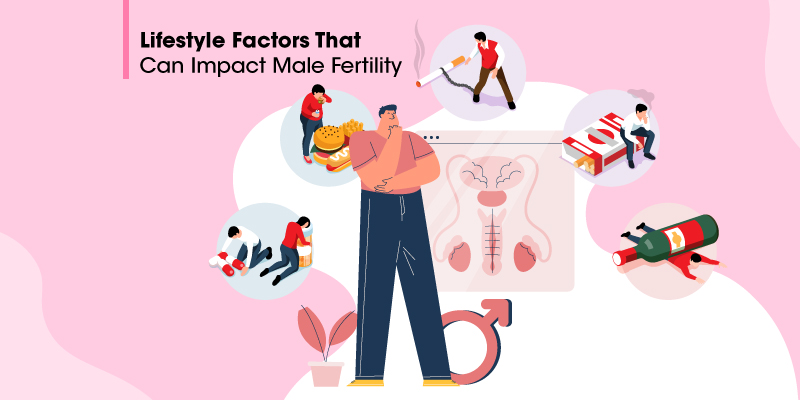
a) Alcohol and Tobacco Use
Excessive alcohol consumption and smoking are linked with decreased sperm production and motility.
b) Obesity
Being overweight or obese can disrupt hormonal balance, negatively impacting sperm production.
c) Stress
Chronic stress can affect hormonal release necessary for sperm production.
d) Sedentary Lifestyle
A lack of physical activity, combined with prolonged sitting, may increase scrotal temperature and hinder sperm viability.
3. Environmental Factors
a) Heat Exposure
Regular exposure to heat, such as through hot tubs, saunas, or tight clothing, can impair sperm production.
b) Toxins
Working with chemicals like pesticides, heavy metals, or industrial solvents can harm sperm production.
Symptoms of Low Sperm Count
Low sperm count often goes undetected until a couple faces difficulty conceiving. However, some men may experience symptoms such as:
-
Decreased facial or body hair (indicating hormonal imbalances)
-
Pain or swelling in the testicles
-
Reduced sexual desire or function
-
Physical Examination and medical history review
-
Semen Analysis to measure sperm concentration, motility, and morphology
-
Blood Tests to evaluate hormone levels
-
Scrotal Ultrasound to detect varicocele or other abnormalities
Additionally, these symptoms may overlap with other medical conditions, so a proper diagnosis is essential.
How is Low Sperm Count Diagnosed?
Lakshmi Fertility Centre emphasizes accurate diagnosis as the first step toward treatment. The diagnostic process typically includes:
You can book an appointment for a comprehensive evaluation with our specialists here.
Treatment Options for Low Sperm Count
The good news is that low sperm count is a treatable condition. At Lakshmi Fertility Centre, we offer a range of personalized treatment solutions to improve fertility.
1. Medical Treatments
a) Hormone Therapy
If hormonal imbalances are the root cause, medications can restore balance, improving sperm production.
b) Medications
Antibiotics are prescribed for infections affecting the reproductive tract.
2. Surgical Treatments
a) Varicocele Surgery
For varicoceles, a minor outpatient procedure can restore proper blood flow, enhancing sperm quality.
3. Assisted Reproductive Technology (ART)
For those with extremely low sperm counts, ART offers hope:
-
Intracytoplasmic Sperm Injection (ICSI): A single healthy sperm is injected directly into the egg.
-
IVF (In Vitro Fertilization): Combining eggs and sperm outside the body to achieve fertilization.
4. Lifestyle Changes
Simple changes can significantly affect fertility:
-
Maintain a healthy diet rich in antioxidants, vitamins, and minerals.
-
Cut back on alcohol and tobacco use.
-
Get regular exercise and maintain an optimal weight.
-
Manage stress through yoga, meditation, or counseling.
Lifestyle Remedies and Self-Care
Beyond medical interventions, you can take proactive steps to improve sperm count and overall fertility.
1. Dietary Changes
Foods rich in zinc (oysters, nuts, seeds) and antioxidants (berries, spinach, dark chocolate) support sperm production. Omega-3-rich foods are another excellent choice.
2. Supplements
Supplements like folic acid, selenium, and Coenzyme-Q10 can improve sperm health. Always consult a healthcare provider before using supplements.
Breaking the Stigma Around Male Fertility </a?
Male infertility is often accompanied by stigma and feelings of inadequacy. However, the conversation around fertility is evolving, encouraging men to seek timely medical advice.
Lakshmi Fertility Centre fosters a judgment-free, supportive environment where men can openly discuss and address fertility challenges.
Final Thoughts on Low Sperm Count
Dealing with low sperm count can be challenging, but it’s far from insurmountable. Understanding the condition, seeking expert guidance, and making informed lifestyle changes can significantly improve the chances of conception.
At Lakshmi Fertility Centre in Karaikudi, we are passionate about guiding couples on their fertility journeys with state-of-the-art technology and compassionate care. Don’t hesitate to book a consultation with our specialists to explore solutions tailored to your needs.
Take the first step toward growing your family—schedule a consultation at Lakshmi Fertility Centre today.