
What Causes Ovulation Disorders and How to Treat Them
Ovulation disorders happen when ovulation doesn’t occur regularly or stops altogether. This can make it difficult for women to conceive and is one of the most common causes of infertility. The good news is that ovulation disorders are treatable. With the right medical support and fertility care like IVF, IUI or other advanced treatments, many women can successfully become pregnant.
In this article, we’ll explore the common causes of ovulation disorders, the symptoms to look out for and the most effective treatment options available. We’ll also explore how Lakshmi Fertility Centre in Karaikudi offers expert care and customized fertility solutions to help women overcome ovulation challenges and achieve pregnancy.
What is Ovulation?
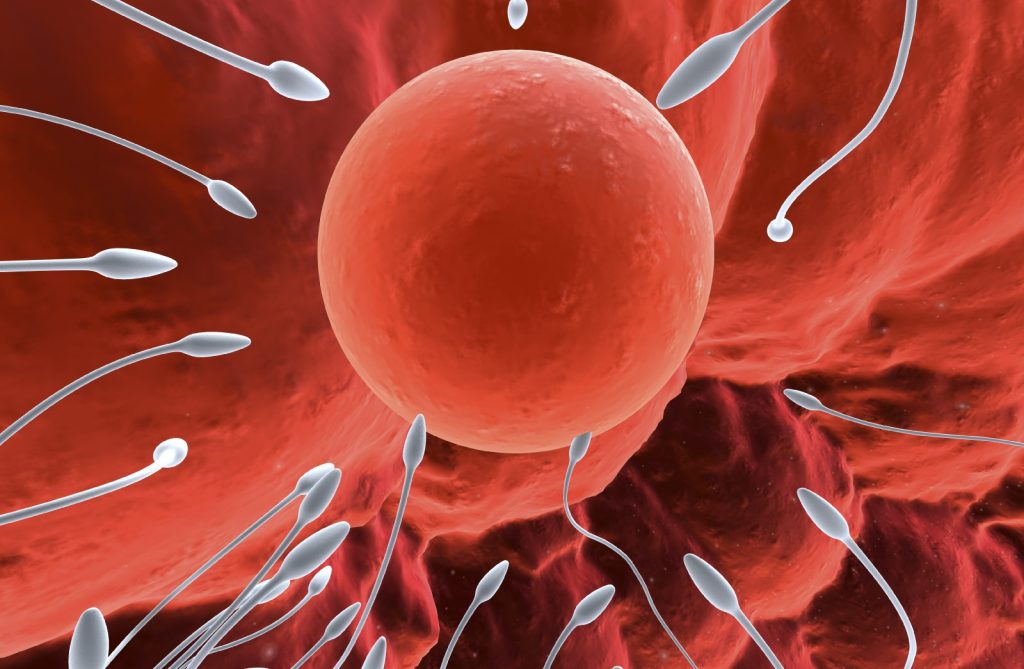
Before diving into ovulation disorders, it’s important to understand what normal ovulation looks like. Ovulation occurs when a mature egg is released from the ovary into the fallopian tube, where it can be fertilized by sperm. This typically happens around the middle of a woman’s menstrual cycle, roughly day 14 in a 28-day cycle.
When ovulation is regular, the body releases hormones like estrogen and progesterone, which prepare the uterine lining for pregnancy. Ovulation is crucial for conception, as the egg must be available for sperm to fertilize. However, when ovulation does not occur properly, it can prevent pregnancy.
Common Causes of Ovulation Disorders
Many factors can disrupt the normal process of ovulation. The most common causes of ovulation disorders include hormonal imbalances, medical conditions and lifestyle factors.
1. Polycystic Ovary Syndrome (PCOS)
One of the most frequent causes of ovulation disorders is Polycystic Ovary Syndrome (PCOS). PCOS is a condition where the ovaries produce an excessive amount of androgens (male hormones), leading to irregular or absent ovulation. In women with PCOS, the ovaries may develop multiple small cysts that disrupt the normal release of eggs.
Symptoms of PCOS
- Irregular or absent periods
- Excess hair growth (hirsutism)
- Acne or oily skin
- Weight gain
PCOS can make it challenging to conceive naturally, but with the right treatment, ovulation can be regulated and pregnancy is possible.
Treatment for PCOS
- Clomid (Clomiphene Citrate): This oral medication is often used as the first line of treatment for women with PCOS. It stimulates the ovaries to release eggs.
- Metformin: This medication helps improve insulin sensitivity and can restore normal ovulation in women with PCOS.
- Letrozole: Another medication that works similarly to Clomid and is often used in women with PCOS.
For more on PCOS, you can refer to the information provided by The American College of Obstetricians and Gynecologists.
2. Thyroid Disorders
The thyroid gland plays a crucial role in regulating the body’s metabolism and thyroid imbalances can interfere with the hormonal signals that trigger ovulation. Both hypothyroidism (underactive thyroid) and hyperthyroidism (overactive thyroid) can affect menstrual cycles and cause ovulation disorders.
Symptoms of thyroid disorders
- Irregular or missed periods
- Weight changes (unexplained weight loss or gain)
- Fatigue and hair thinning
- Cold or heat intolerance
Treatment
If thyroid dysfunction is diagnosed, proper treatment can restore ovulation. For hypothyroidism, thyroid hormone replacement therapy (levothyroxine) is typically used. Hyperthyroidism may require medication or other treatments to normalize thyroid hormone levels.
For more information on thyroid disorders and their impact on ovulation, visit The American Thyroid Association.
3. High Prolactin Levels (Hyperprolactinemia)
Prolactin is a hormone produced by the pituitary gland and it plays a role in milk production. However, when prolactin levels are too high (a condition called hyperprolactinemia), it can suppress ovulation. High prolactin levels can be caused by a variety of factors, including pituitary tumors, medications or stress.
Symptoms of high prolactin levels
- Milky discharge from the breasts (even if not pregnant or breastfeeding)
- Irregular or absent periods
- Infertility
Treatment for high prolactin levels
Medications like bromocriptine or cabergoline can lower prolactin levels and restore normal ovulation.
4. Stress and Lifestyle Factors
Chronic stress, excessive weight gain or loss and other lifestyle factors can affect the hormonal balance necessary for ovulation. High levels of stress can impact the hypothalamus, a part of the brain that controls hormones related to ovulation. This can lead to anovulation (the absence of ovulation).
Symptoms
- Irregular periods or no periods
- Difficulty managing weight
- High levels of anxiety or stress
Treatment
Managing stress and adopting a healthier lifestyle can help restore ovulation. Regular exercise, a balanced diet and relaxation techniques such as yoga or meditation can be beneficial in regulating the menstrual cycle.
To learn more about how stress affects fertility, visit The Mayo Clinic.
5. Age-Related Decline in Fertility
As women age, the number and quality of eggs in the ovaries naturally decrease, which can lead to ovulation issues. This decline typically starts after the age of 35 and it can make it more difficult to conceive.
Symptoms of Ovulation Disorders
Ovulation disorders can present with a variety of symptoms. Some of the most common signs include:
- Irregular or absent periods: This is one of the most noticeable signs of ovulation issues. Periods may be very light, very heavy or entirely absent.
- Difficulty conceiving: If you've been trying to conceive for over a year without success, ovulation disorders could be the cause.
- Lack of ovulation symptoms: In a healthy cycle, women may experience symptoms such as ovulation pain or changes in cervical mucus, but women with ovulation disorders may not notice these changes.
If you experience any of these symptoms, it’s important to consult with a fertility expert. Lakshmi Fertility Centre provides personalized fertility assessments to help identify the root cause of ovulation issues.
How Ovulation Disorders Are Diagnosed
To diagnose an ovulation disorder, fertility specialists use various tests and evaluations, such as:
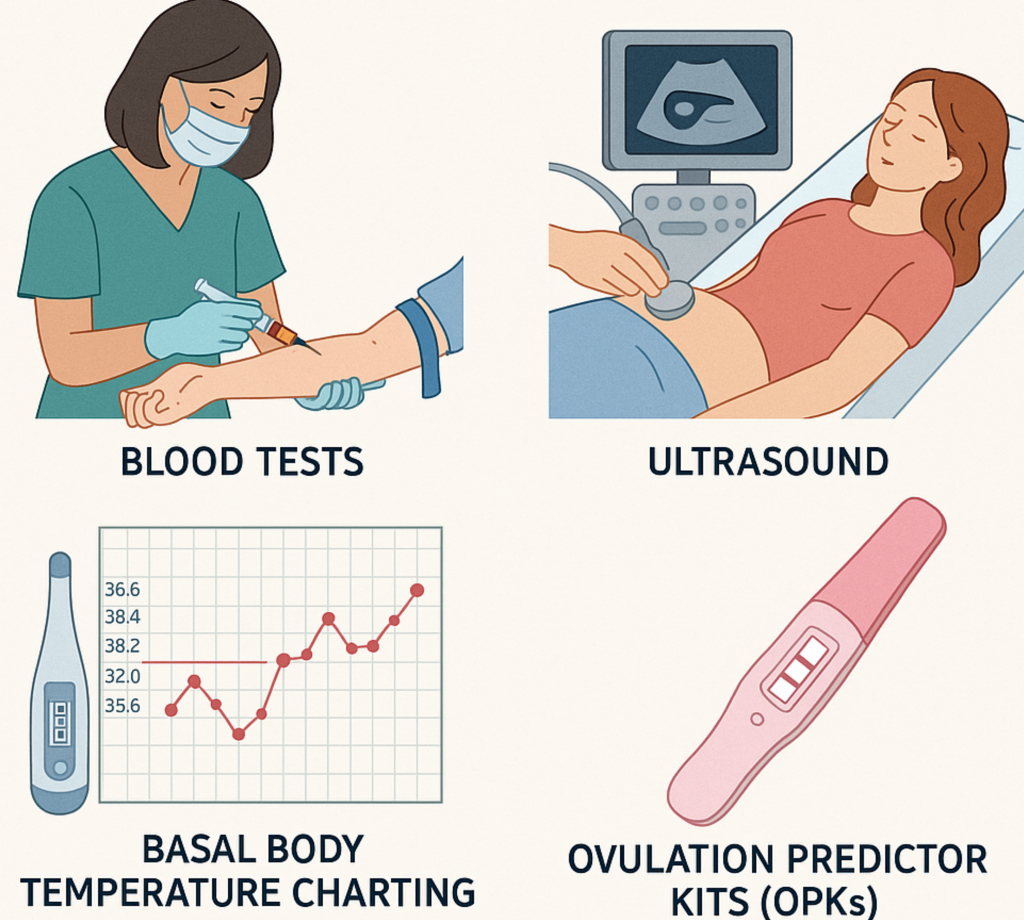
- Blood tests: These tests check hormone levels like FSH (follicle-stimulating hormone), LH (luteinizing hormone) and thyroid hormones.
- Ultrasound: A pelvic ultrasound helps assess the ovaries and check for conditions like polycystic ovaries.
- Basal body temperature charting: This involves taking your temperature each morning to detect subtle changes that occur during ovulation.
- Ovulation predictor kits (OPKs): These kits detect the surge in LH hormone, which occurs right before ovulation.
A fertility expert can help determine the cause of ovulation disorders through these tests and based on the findings, they will create a customized treatment plan.
Treatments for Ovulation Disorders
There are several treatment options available for ovulation disorders, depending on the underlying cause:
1. Ovulation-Stimulating Medications
- Clomid (Clomiphene Citrate): This is often the first-line treatment for women with PCOS and other ovulatory disorders. It works by stimulating the release of eggs from the ovaries.
- Letrozole: Letrozole is another oral medication that works by inducing ovulation, especially in women with PCOS.
- Gonadotropins: These injectable hormones stimulate the ovaries to produce eggs and they are typically used when oral medications like Clomid aren’t effective.
2. Intrauterine Insemination (IUI)
IUI is a fertility treatment that involves placing sperm directly into the uterus around the time of ovulation. It’s commonly used for women with ovulation disorders who may not conceive naturally.
3. In Vitro Fertilization (IVF)
For women who do not respond to medications or have more severe ovulation disorders, In Vitro Fertilization (IVF) is a highly effective treatment. During IVF, eggs are retrieved, fertilized in a laboratory and then transferred into the uterus. IVF can be a great option for women with irregular or absent ovulation.
At Lakshmi Fertility Centre, we offer advanced fertility treatments such as IVF to help women with ovulation disorders achieve pregnancy.
Frequently Asked Questions (FAQs)
1. Can ovulation disorders be treated without medication?
Yes, in some cases. Lifestyle changes like managing stress, maintaining a healthy weight and eating a balanced diet can help restore ovulation naturally.
2. How long does treatment take?
It depends on the cause and treatment method. Some women may see improvement in a few months with medication or lifestyle changes.
3. What is the IVF success rate for ovulation disorders?
IVF is often effective. Success rates vary based on age, overall health and the underlying cause of the disorder.
Conclusion
Ovulation disorders are a major cause of infertility—but with the right care, they can be successfully treated. Understanding the root cause and choosing the right treatment plan can significantly improve your chances of conception. Whether it’s through medication, lifestyle changes or advanced fertility treatments like IVF, the expert team at Lakshmi Fertility Centre in Karaikudi is here to support you every step of the way.
Don’t let ovulation issues stand in the way of your dreams. Schedule an appointment with Lakshmi Fertility Centre today and take the first step toward building your family with personalized, compassionate care.